2026 trends in physical education teaching and learning
January 15, 2026
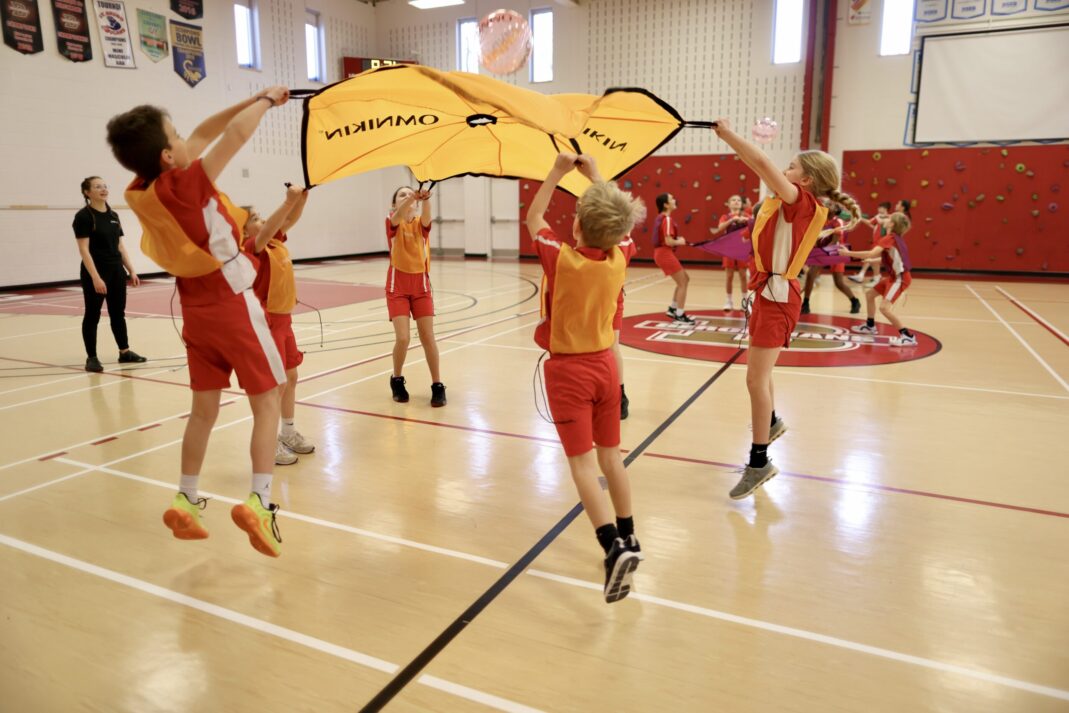



Walk into almost any gym today and you will feel it immediately. PE has changed.
You are no longer just managing physical skills. You are managing screens, stress, confidence gaps, social dynamics, uneven access to equipment, and students who arrive with very different relationships to movement. At the same time, expectations are rising. PE is now expected to support mental health, inclusion, lifelong fitness habits, and positive behaviour, often all in the same class period.
For many PE teachers, the challenge is not a lack of ideas. It is finding approaches that actually work in real school environments, with real constraints, and real students.
This is where the conversation around physical education is heading in 2025 and 2026. And it is where Omnikin has always chosen to focus.
Technology is everywhere, but movement still has to connect
Digital tools are becoming part of PE whether we like it or not. Wearables, activity-tracking apps, virtual platforms, and online resources are now shaping how students experience physical activity both inside and outside the gym.
For teachers, this brings opportunity and pressure. Technology can support personalization and engagement, but it can also widen gaps when access, training, or student confidence is uneven. The challenge is not adding more tools. It is keeping movement human, social, and meaningful in a tech-heavy environment.
Omnikin’s approach does not compete with technology. It complements it. Cooperative activities create shared physical experiences that cannot be replicated on a screen. They help students reconnect with their bodies, their peers, and their environment in ways that digital tools alone cannot provide.
Mental health and social-emotional learning are no longer optional
PE is increasingly recognized as one of the few spaces in school where students can release stress, regulate emotions, and rebuild confidence through movement. This is especially true for middle and high school students navigating anxiety, body image concerns, and social pressure.
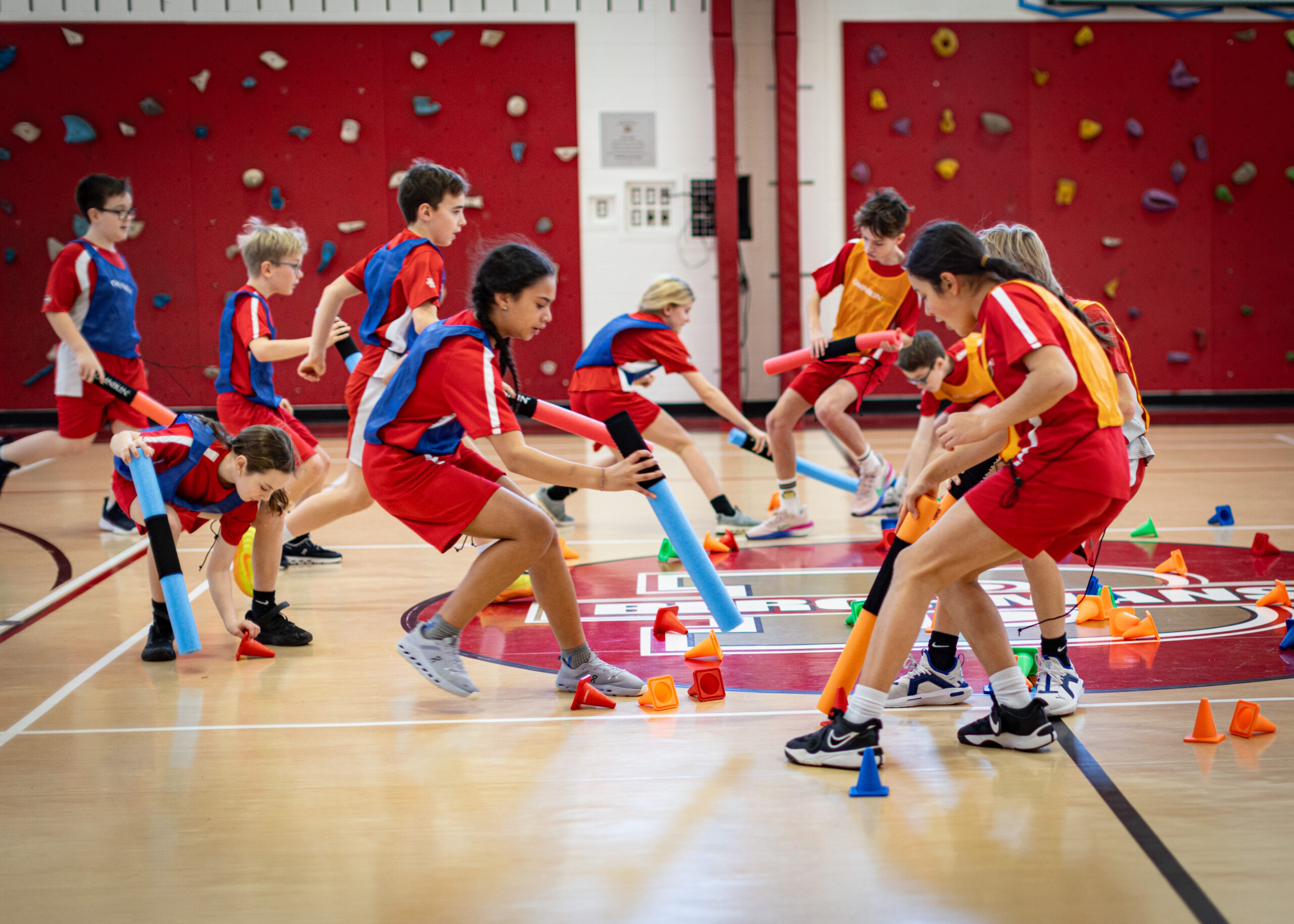
What matters is not just activity level, but how students experience success. Competitive formats can unintentionally reinforce comparison, exclusion, or disengagement. Cooperative play shifts the focus. Success is shared. Communication matters. Effort is visible in different ways.
When students feel safe to participate, they are more willing to try, to persist, and to support one another. These are social-emotional skills that extend far beyond PE class.
Inclusion requires more than adapting traditional sports
Inclusion is not about modifying the same activities over and over. Many PE teachers are now turning to non-traditional games, cooperative formats, and creative movement to engage students of all abilities and backgrounds.
This is not a trend. It is a response to reality.
Students come with different strengths, comfort levels, cultural references, and physical abilities. Activities that require everyone to participate by design reduce the need for constant intervention. They create equity through structure rather than through correction.
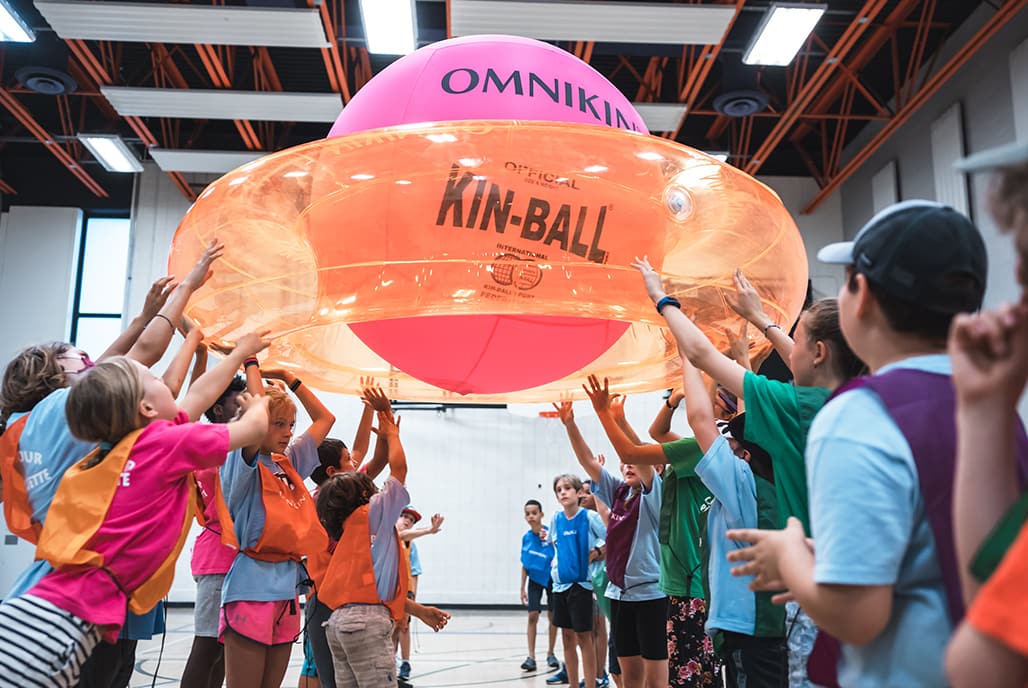
Omnikin equipment and games were developed with this principle in mind. Large-scale cooperative play makes participation visible and necessary. It gives quieter students a role. It challenges dominant players to collaborate. It changes group dynamics in ways that teachers can immediately notice.
Preparing students for movement beyond school
PE programs are shifting away from sports-only models toward lifelong physical activity skills. This includes functional movement, outdoor play, fitness literacy, and activities students can carry into adulthood.
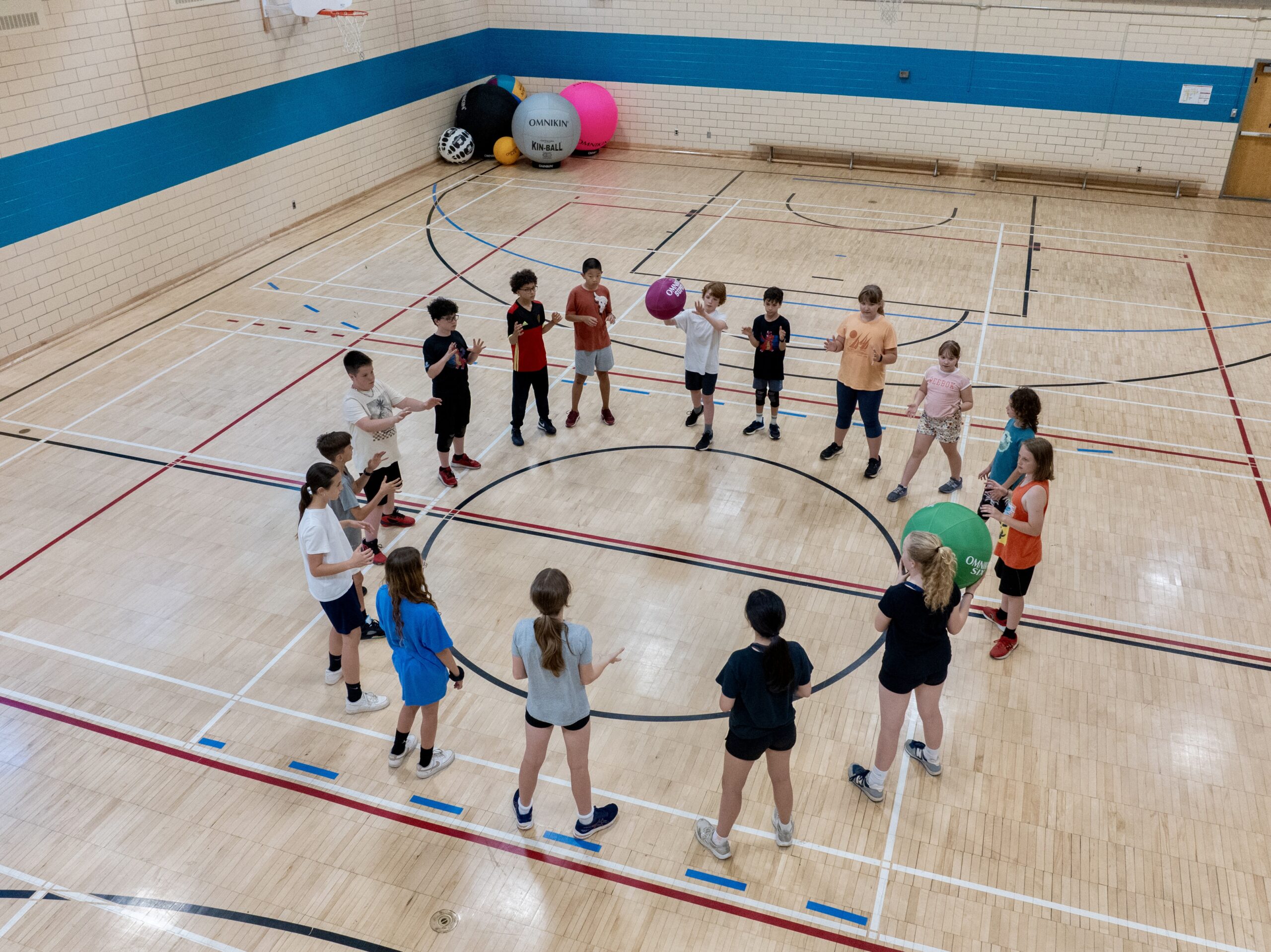
Cooperative games support this shift. They emphasize communication, adaptability, and teamwork rather than specialized technique. They help students associate movement with connection and enjoyment, not just performance.
When students leave school with positive memories of moving together, they are more likely to stay active later in life.
Behaviour management starts with the activity itself
Managing behaviour in PE has its own challenges. Large groups, open spaces, and mixed engagement levels can quickly create friction. Many teachers are now focusing on activity structures that reduce behavioural issues rather than reacting to them.
Cooperative play naturally supports this. When every student has a role, disengagement drops. When success depends on communication, listening increases. When students feel included, resistance softens.
This does not remove the need for clear expectations, but it changes the tone of the class.
Why Omnikin continues to focus on cooperative play
For over 40 years, Omnikin has worked alongside PE teachers who are adapting to changing realities in schools. Our focus has never been on trends for their own sake. It has been on creating tools that support inclusive, cooperative, and meaningful movement experiences.
PE teachers need activities that work with large groups, mixed abilities, limited equipment time, and students who do not all show up ready to compete. Cooperative formats help keep students involved, reduce disengagement, and make class management more predictable. That is the kind of support Omnikin continues to focus on.
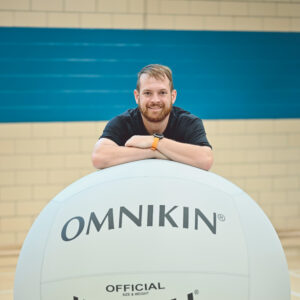
Physical education teacher
International Workshop development coordinator
LinkedIn profile
